
Morris County Resident Lookup Records
Morris County has no single official name database for every resident. A careful resident lookup instead joins records that answer different questions. The Morris County Tax Board search is useful when a parcel or owner relationship is the starting point. The County Clerk property index can supply a recorded-party and document trail, while the State court, voter, vital, licensing, and library routes add distinct types of confirmation. Each result has a date and a custodian, so it should be read as a record lead rather than a complete personal profile.
| Record | What It Confirms | Where | Access |
|---|---|---|---|
| Tax and parcel roll | Owner and parcel or mailing context for a selected tax year | Morris County Tax Board | Online search; it does not prove occupancy |
| Recorded instrument | Party role, legal description, recording date, and document lead | Morris County Clerk | Online index generally reaches 1960; older work moves to the Vault |
| Court docket | Case party, venue, docket, status, and related metadata | New Jersey Courts | Public search, with file and Rule 1:38 limits |
| Voter source | Status lookup or statutory voter-file fields | New Jersey and Morris election offices | Individual lookup or regulated request route |
| Vital record | Identity and event details when the requester qualifies | NJ Department of Health or local registrar | ID, relationship, period, and fee rules apply |
| License or entity filing | Credential or filed-entity connection | New Jersey licensing and revenue offices | Public verification; not proof of residence |
Choose the first record from the question at hand. A current parcel question belongs with the tax tools. A document-date question belongs with the Clerk. A historical name-to-address question may need directories and the library instead. The right source can support one fact without supporting every fact about the same person.
Anchor a Morris County Resident Lookup
Begin with the full name, then add a geographic and time anchor. In Morris County, a postal place and a legal municipality can differ, so record both rather than treating a ZIP label as the municipality. A middle initial, approximate year, spouse or parent name, street, court venue, or known organization can narrow a common-name search. Keep the tax year and tax district with any parcel result, because those fields are part of the Tax Board search logic.
Use a two-anchor test before treating two results as the same person. For example, an owner name in a tax result and a matching recorded party in a dated Clerk index may form a stronger connection than either result alone. A court result can add venue and initiation date, but a name hit by itself remains only a lead. Save the source, date, municipal label, result type, and facts that match or do not match. That small evidence log helps prevent a same-name mix-up.
Verify a Morris County Resident
A verification sequence should move from a dated association to an independent record, not from one copied name list to another. First, locate the relevant municipality and tax district. Next, use the property search to identify the parcel and preserve its block, lot, qualifier, owner, mailing, and situs fields. A situs address is the property location, while a mailing address is where notices are sent. Neither label alone establishes who lived there.
- Search the Tax Board by owner or property mode with the right tax year and district, then note the municipality and parcel identifiers.
- Use the owner or an instrument detail in the County Clerk party index. Compare the recorded date, party role, and legal description with the parcel lead.
- Check the appropriate New Jersey Courts category with a name variant, county, date, or docket. Treat the docket as metadata unless the permitted file is obtained.
- For an event question, use the Department of Health or the local registrar route and meet the stated eligibility and identification rules.
- Docket
- A court's identifying number for a case, used to find the right venue and case record.
- Index and image
- An index gives structured references such as parties or dates. An image is the document copy and may have separate access rules.
- Certified copy
- A custodian-issued copy with the certification needed when an official copy is required for a permitted purpose.
For Clerk material older than the online boundary, the Records Vault is the documented fallback. It keeps books, microfilm, and digital images from the late 1700s onward. The published mail procedure asks for a record description and book or page when known, a return address, and payment. That route is more useful than assuming an online search miss means the instrument does not exist.
Note: A parcel association, a recorded party, and an occupant are different facts that should never be collapsed into one claim.
Morris County Resident Lookup Court Leads
The New Jersey Courts Find a Case portal is the statewide entry point for public case categories. Its official paths include civil and foreclosure party or docket searching, criminal name and county searching, judgment search, Tax Court searching, and municipal matters through the separate NJMCDirect route. Morris County Superior Court is in the Morris/Sussex Vicinage. Municipal matters remain decentralized, so the municipality must be identified before a local court question can be routed correctly.
The official New Jersey Courts Find a Case landing page organizes the statewide search categories.
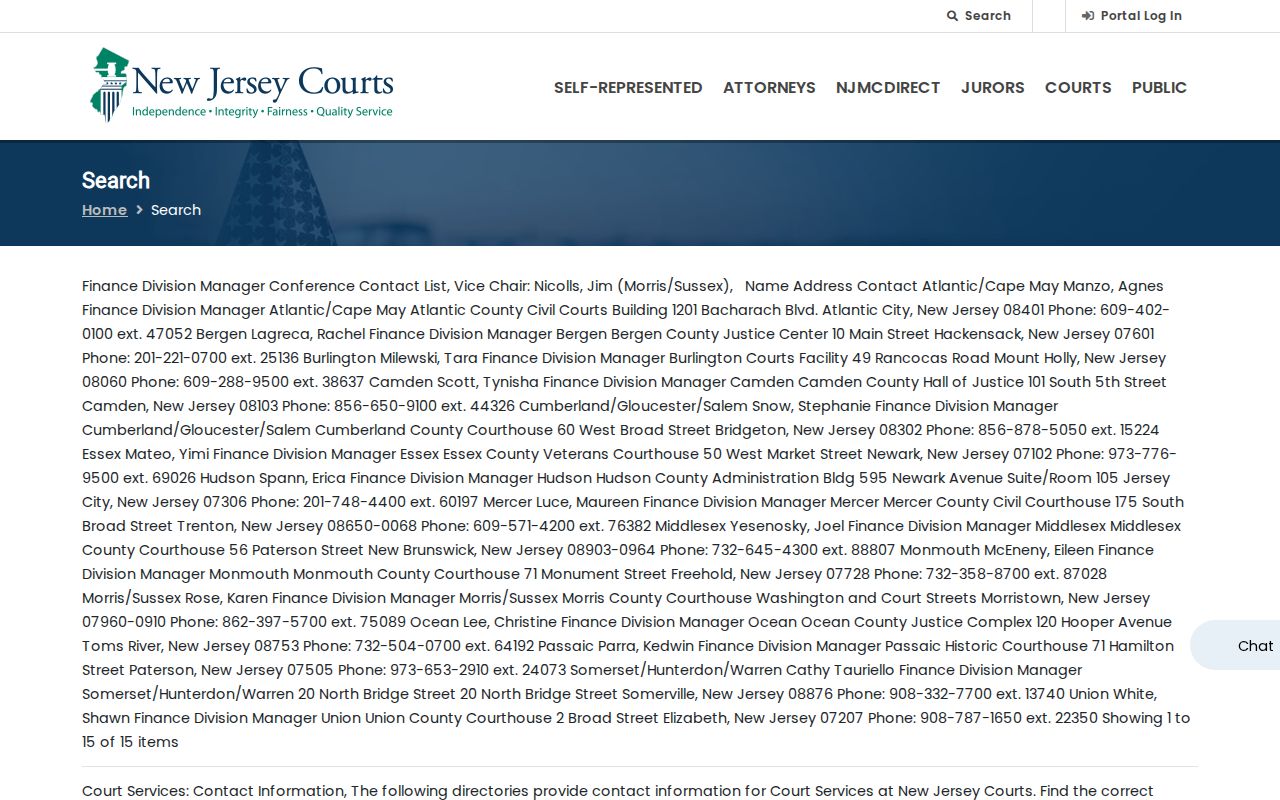
A result can identify the venue, docket number, case caption, initiation date, status, and related references. It does not normally supply every filed document or its text. For a permitted closed-case or file request, the Courts direct users to the copies-of-records and JEDS route.
| Result element | What it means |
|---|---|
| Name and case caption | Identifies the party display and the case title, not a confirmed identity by itself. |
| Venue and docket number | Points to the court location and the case's reference number. |
| Initiation date and status | Places the case in time and reports metadata, subject to later updates. |
| Document or order reference | Signals a filing trail that may require a permitted JEDS or clerk request. |
The Courts' copies of records guidance identifies JEDS as the route for permitted closed-case records.
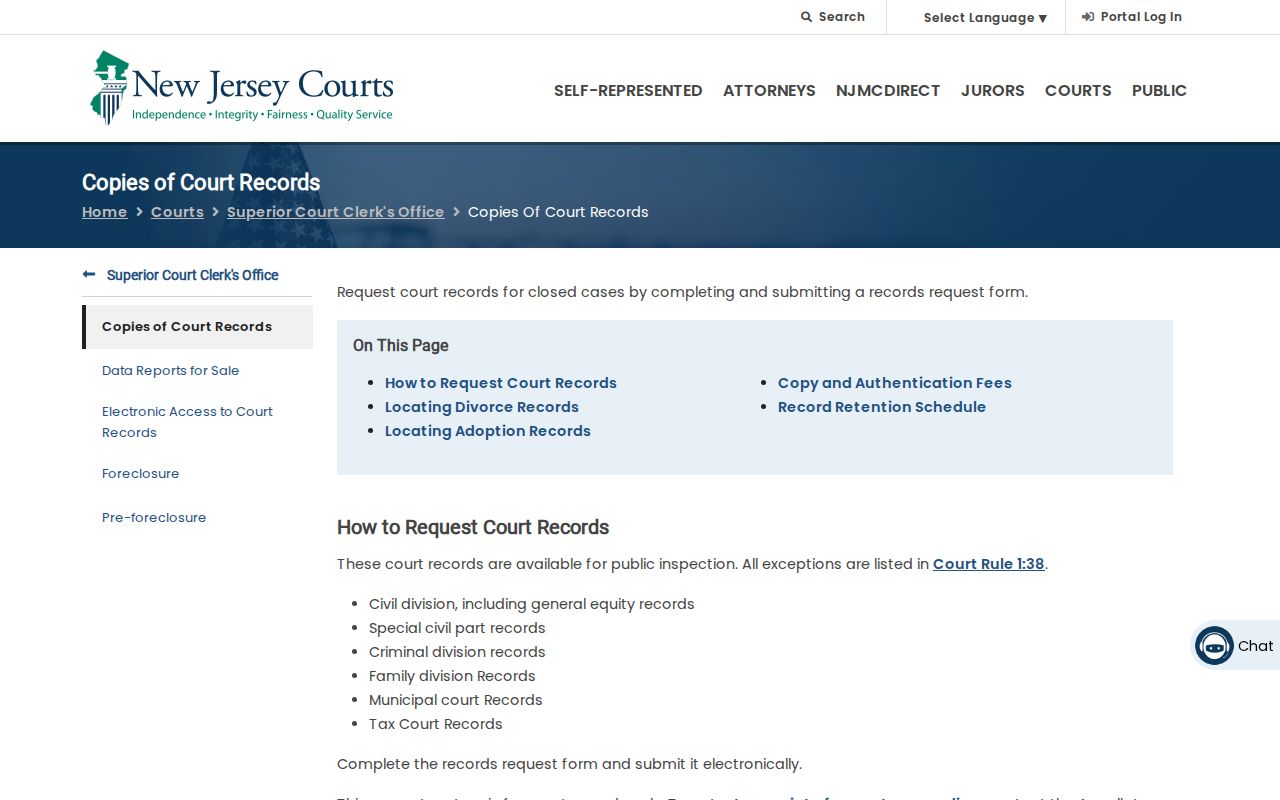
Use the docket, venue, and record type to direct a request. Access still depends on the record, Rule 1:38, sealing, expungement, and the court's copy procedures.
Rule 1:38 presumes public court access but excludes confidential, sealed, expunged, and otherwise protected records. A court search is not a complete criminal-history search, and an arrest or complaint is not a conviction.
Morris County Resident Lookup Voter Limits
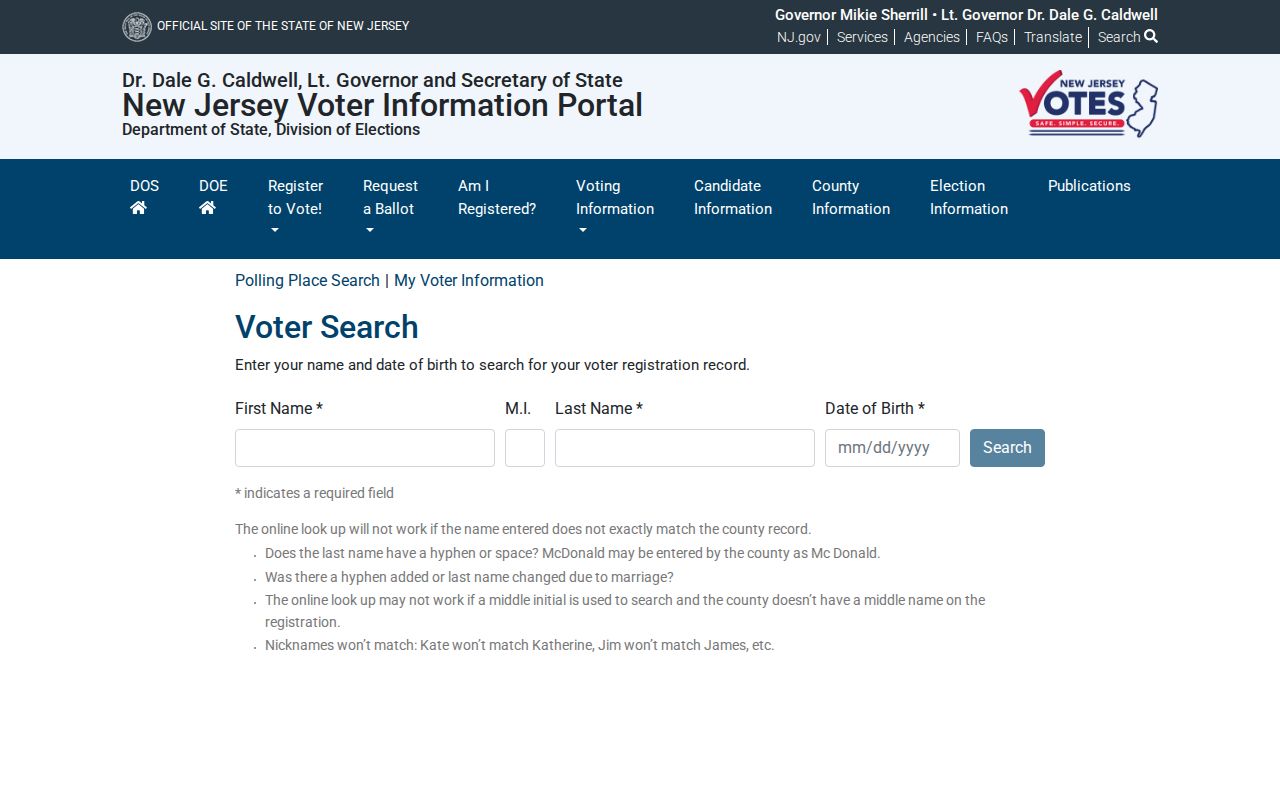
Morris County registration guidance links to the State's voter-registration status and polling-place tools. The reviewed official material supports a basic workflow using first name, last name, and date of birth, but the live registration page was not captured for a field-by-field current layout. Use it to check the specific status question it is designed to answer, not as a broad household list.
The official New Jersey registration-check route supports this status question. Confirm the current form when an exact field layout matters, because the research capture could not load the live form.
N.J.S.A. 19:31-18 governs the public voter-file layer. It lists name, address, date of birth, party affiliation, and voting history, while signatures are excluded absent a court order. County printout formats may include alphabetical, telephone, street or walking, and history layouts. Those records carry use restrictions, and the statute prohibits commercial or charitable solicitation from the list.
Note: The individual status tool and a statutory voter-file request have different fields, access paths, and permitted uses.
Match Vital Records to a Morris Resident
Vital records are often the strongest identity source, but they are not a casual name-search tool. The New Jersey Department of Health order route separates certified, informational, and genealogical requests. Recent certified records require the prescribed identifying details, relationship where required, acceptable identification, fee, and delivery information. For a Morris event, first identify the municipality where it was registered and then select the local or state path.
Genealogical access follows different thresholds. The Department describes birth records after 80 years, marriage records after 50 years, and death records after 40 years under the stated rules, with older material routed through appropriate archival channels. The Morris local registrar list supplies municipality-by-municipality contacts. Divorce decrees are Superior Court records, not Department of Health certificates.
Use a full name, place, and approximate date to direct the request. Parent, spouse, or partner information can be an additional search aid when the form calls for it. If a custodian denies access or the record is restricted, stop there rather than substituting a weaker, unverified source.
Morris County Resident Lookup Second Anchors
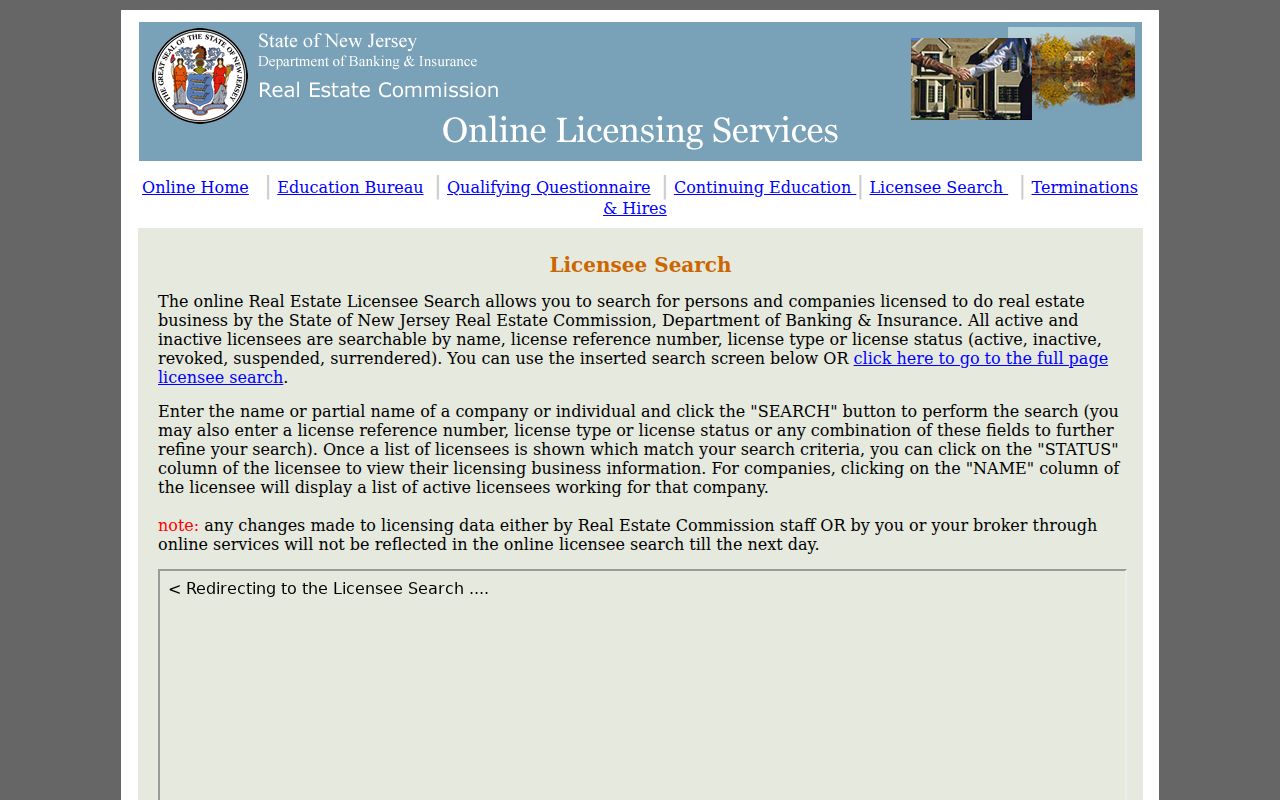
A license or public entity filing can sometimes supply a second time-bound anchor after an identity is already narrowed. New Jersey real-estate license search instructions document name or partial-name, reference-number, license-type, and status searching. The record supports a credential or regulatory status connection, not a claim that the listed address is a residence.
The official license-search instructions identify name, reference-number, type, and status fields.
New Jersey Revenue and Enterprise Services can likewise identify an entity's legal status, agent or office, alternate names, and filing history. A registered office or agent address is an organizational filing detail. It should never be relabeled as a personal home address.
Historic Morris County Resident Trails
Historical resident work often needs more than one directory edition. Morris County Library directory holdings include telephone directories from 1969 and various city directories, while the North Jersey History & Genealogy Center adds maps, newspapers, and local finding aids. A directory entry can associate a person or household with an address in its publication year, but it can be incomplete or late. Compare adjoining editions and preserve the exact title, year, and page.
Older property work can combine the Records Vault, County Archives, directories, newspaper notices, probate material, and maps. The County Archives holds estate, road, court, license, construction, and church material, often through appointment-based research. For the historical collection route, use the Morris County city directories rather than treating a single old listing as a final answer. The goal is a dated trail with separate evidence points, not a name-only conclusion.
Note: A library directory can show a publication-year association, while an official recorded instrument answers a different legal and date-specific question.
Morris County Resident Lookup Limits
Some records are intentionally restricted. New Jersey's Address Confidentiality Program provides a substitute address and mail forwarding for eligible participants. Daniel's Law and the Office of Information Privacy protect covered judicial, law-enforcement, prosecutorial, and child-protection personnel and their households. Sealed or expunged court matters, restricted adoption material, motor-vehicle data, utility records, and protected current addresses are not gaps to work around.
When a county administrative record is the right source, use the actual custodian and the Morris County OPRA request route. The County describes GovQA, written, mail, fax, and electronic channels, with its published response, copy-fee, special-charge, and deposit rules. A focused request names the record category and date range. An unavailable result can simply mean that the selected source, date range, or access rule did not produce a public record.
Lawful use. Use Morris County records for personal, lawful research and stop when a source is protected. Stalking, harassment, threats, and intimidation are not permitted uses of public information.